

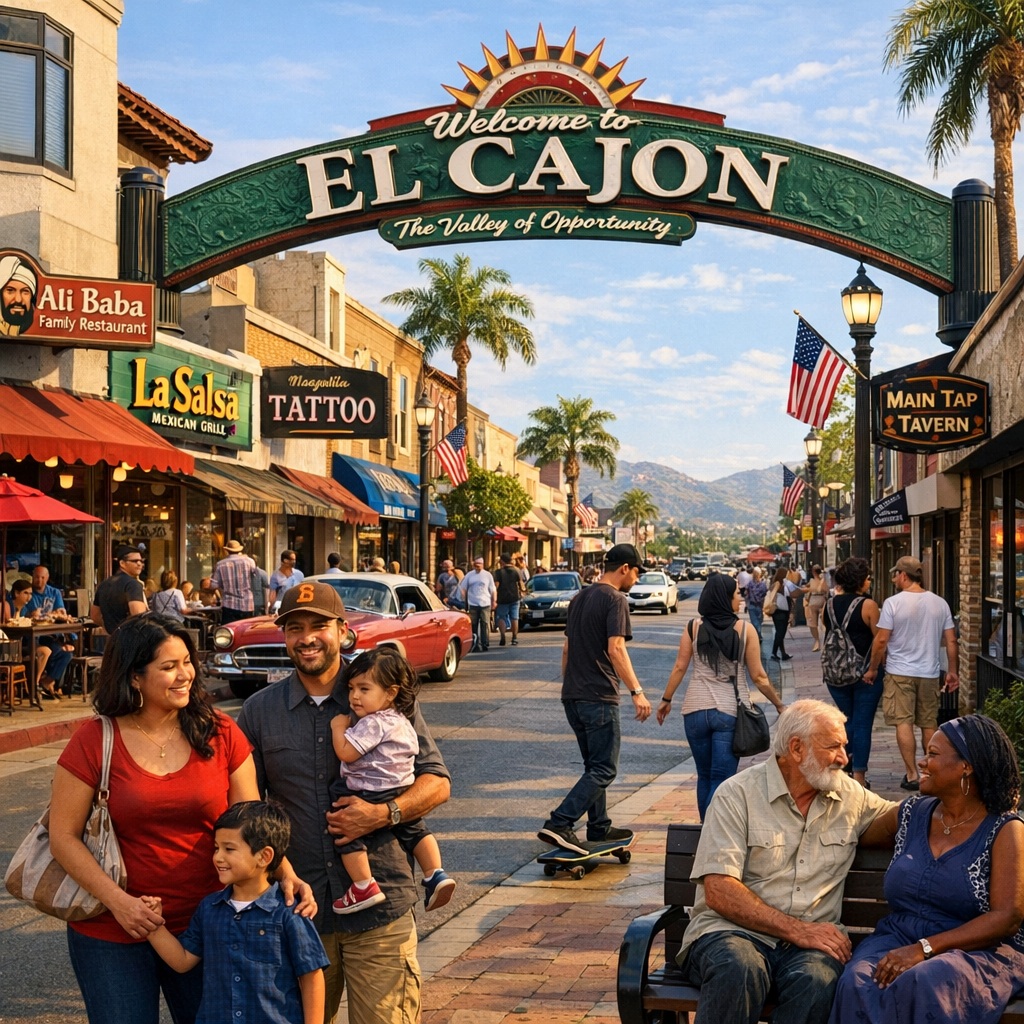
El Cajon, nestled in San Diego County, boasts a diverse economic landscape shaped by its strategic location and rich cultural tapestry. This article delves into the city’s key industries, demographic trends, and housing challenges.
Key Industries Driving El Cajon’s Economy
El Cajon’s economy is bolstered by several prominent sectors:
Manufacturing
The city has a robust manufacturing sector, particularly in aerospace, electronics, and medical devices. This industry benefits from the region’s skilled workforce and strategic location near major markets and transportation hubs.
Retail and Hospitality
With its diverse population and tourist attractions, El Cajon’s retail and hospitality sector is a significant part of its economy. The area’s shopping centers, restaurants, and hotels cater to both locals and visitors, driving employment and development.
Healthcare and Social Assistance
This sector is a major employer in El Cajon, providing a wide range of health services and social assistance programs. The demand for healthcare professionals and services is growing, reflecting the area’s expanding and aging population.
Demographic Trends
El Cajon’s population is characterized by its diversity and steady growth. As of 2026, the city is projected to have a population of 104,960, with a median age of 36.1 years. The racial and ethnic composition includes 51.9% White, 29% Hispanic, and 6.7% identifying as Two or More races. The median household income stands at $67,511, with 16.4% of families living in poverty.
Housing Challenges
Housing affordability remains a pressing issue in El Cajon. The typical home costs $826,924, which is above the California average of $715,369. With a median household income of $75,366, many residents find homeownership out of reach, requiring an additional $109,402 in annual income to afford a typical home. The city needs 7,098 more housing units over the next five years to meet demand.
In conclusion, El Cajon’s economic landscape is shaped by its diverse industries, growing population, and housing challenges. Addressing these issues will be crucial for the city’s continued prosperity and quality of life for its residents.