

By Michael Chavez
The Mediterranean-Semiarid Mix
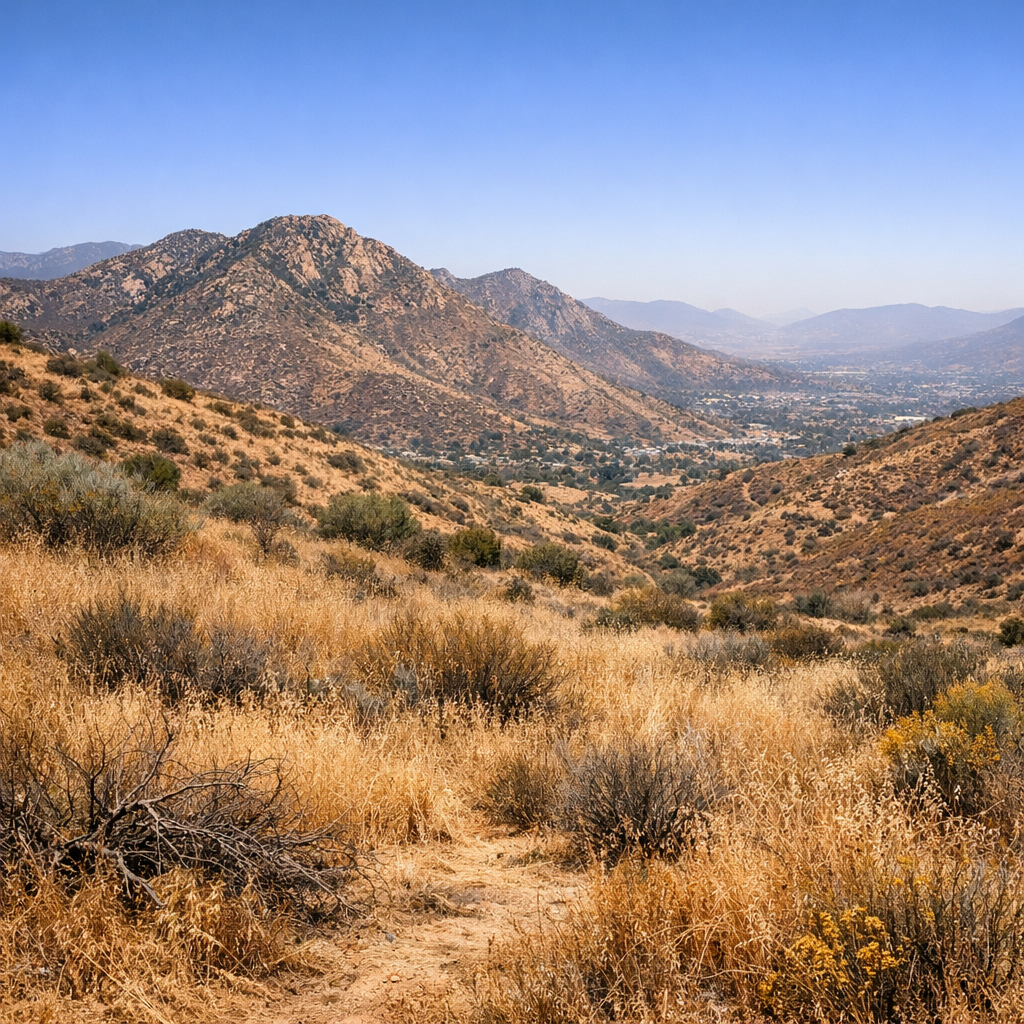
El Cajon sits in a climate zone that blends characteristics of Mediterranean and semi-arid regions. That means our winters are mild and wet, while summers are hot and very dry. We average around 11–13 inches of rain a year, mostly falling from November through April; from May onward, precipitation becomes rare. Clear skies dominate much of the year, especially during summer months.
Temperature Swings and Microclimates
Summer highs typically reach into the mid-80s°F, sometimes higher, and winter nights can dip down into the low 40s. Day-night temperature differences are noticeable, especially inland, where mornings can be cool even after very warm afternoons.
Atmospheric Patterns That Matter
El Cajon’s weather is shaped by a semi-permanent high-pressure system over the Pacific. In summer, this brings stable, dry conditions and can trap pollutants when air settles in. In winter months, storms from over the ocean arrive, bringing rain, sometimes intense. Occasionally, we also experience Santa Ana winds—hot, dry flow from inland that elevates wildfire risk.
What El Niño Could Mean for Us
Forecasters expect a strengthening El Niño pattern through the winter. That usually means higher chances of storms and above-average precipitation in Southern California. It doesn’t guarantee heavy rainfall, but raises the odds that our wet season could be wetter than recent years.
Environment & Health Implications
Dry summers leave vegetation parched, increasing risk of wildfires, especially when coupled with dry, hot winds. Also, air quality can suffer during temperature inversions and stagnant summer air, particularly in eastern areas of our basin. Rainy winters help wash out local pollutants, but intense storms can trigger urban runoff and erosion concerns.
What You Can Do Now
- Stay alert for weather advisories in late autumn through winter—they may signal heavy storms or flooding risks.
- Prepare for dry, hot summers by planting native, drought-tolerant landscaping and managing brush to reduce fire risk.
- On warm summer days, limit outdoor activity when air quality is poor—especially east of El Cajon’s foothills.
- If El Niño brings wet winters, ensure gutters, storm drains and erosion control measures are in good shape.
Looking Ahead
Climate projections suggest a trend toward more intense heat, less predictable rainfall, and longer dry periods between storms. While El Cajon will likely retain its Mediterranean-semiarid character, the timing, intensity, and risks associated with weather extremes are shifting. Staying informed and adapting ahead will help protect homes, health, and landscapes.